Professional Headshot Examples: Pro vs Amateur Checklist
Everyone can tell the difference between a professional headshot and an amateur one. But most people cannot articulate why. They see two photos and instinctively know which one looks 'professional,' but if you asked them to list the specific technical and aesthetic markers that create that distinction, they would struggle. That intuitive gap is expensive because it means people invest in headshots without understanding what they are actually paying for, or worse, they accept mediocre results because they cannot identify what is wrong.
This guide is different from our complete headshot examples guide, which surveys styles across industries. Here, we focus on a single question: what specific, measurable qualities make a headshot look professional? We will break down lighting, backgrounds, wardrobe, expression, composition, and post-processing with enough detail that you can evaluate any headshot, whether it was taken by a photographer, generated by AI, or shot on your phone, and know exactly whether it passes the professional standard.
Quick answer
A professional headshot looks intentional at every detail
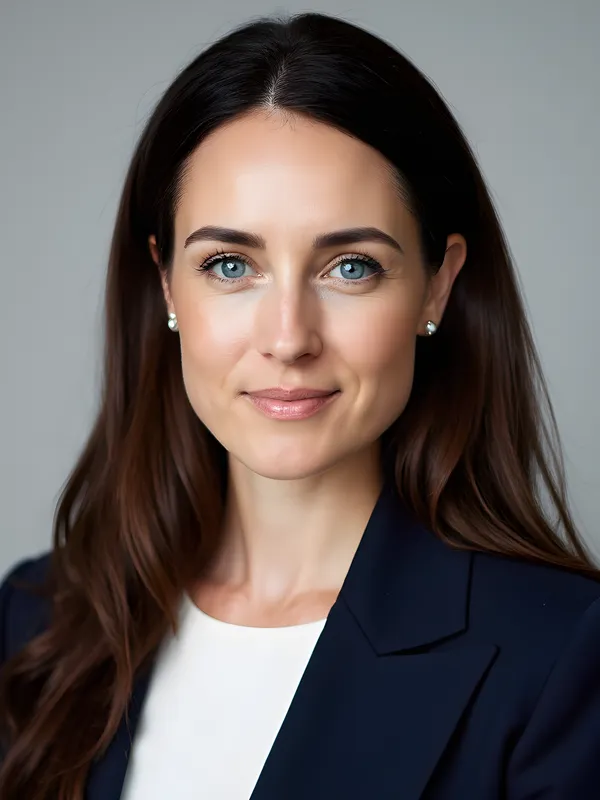
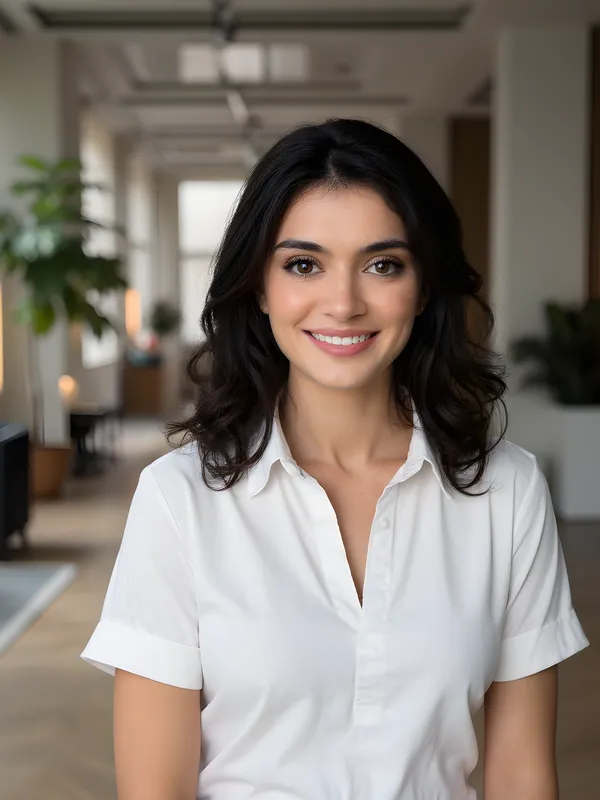
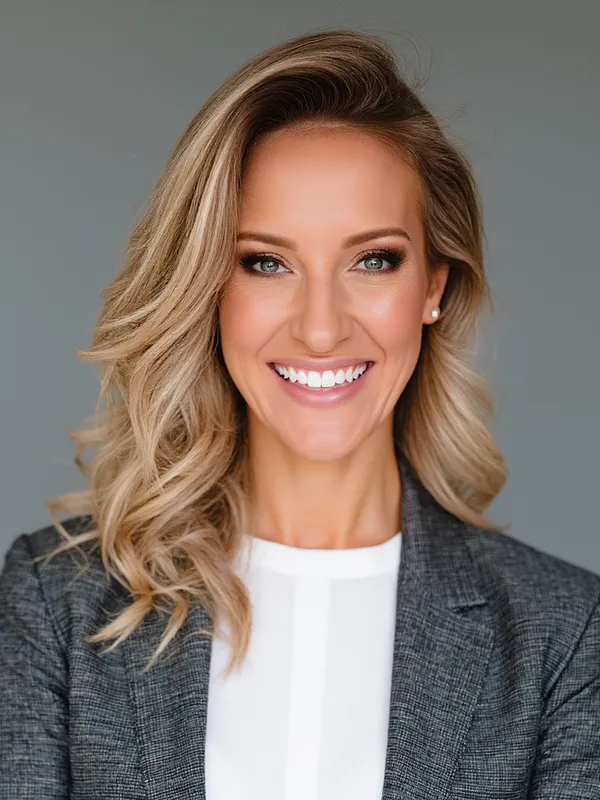
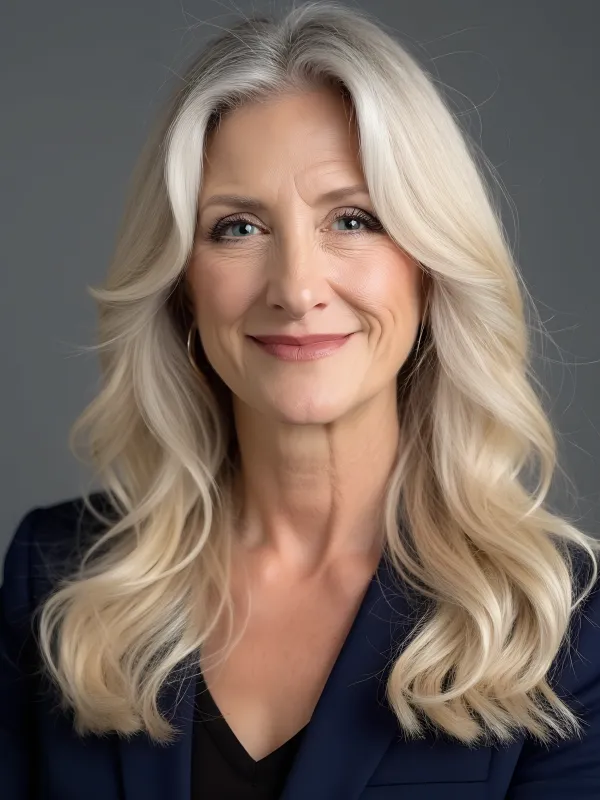
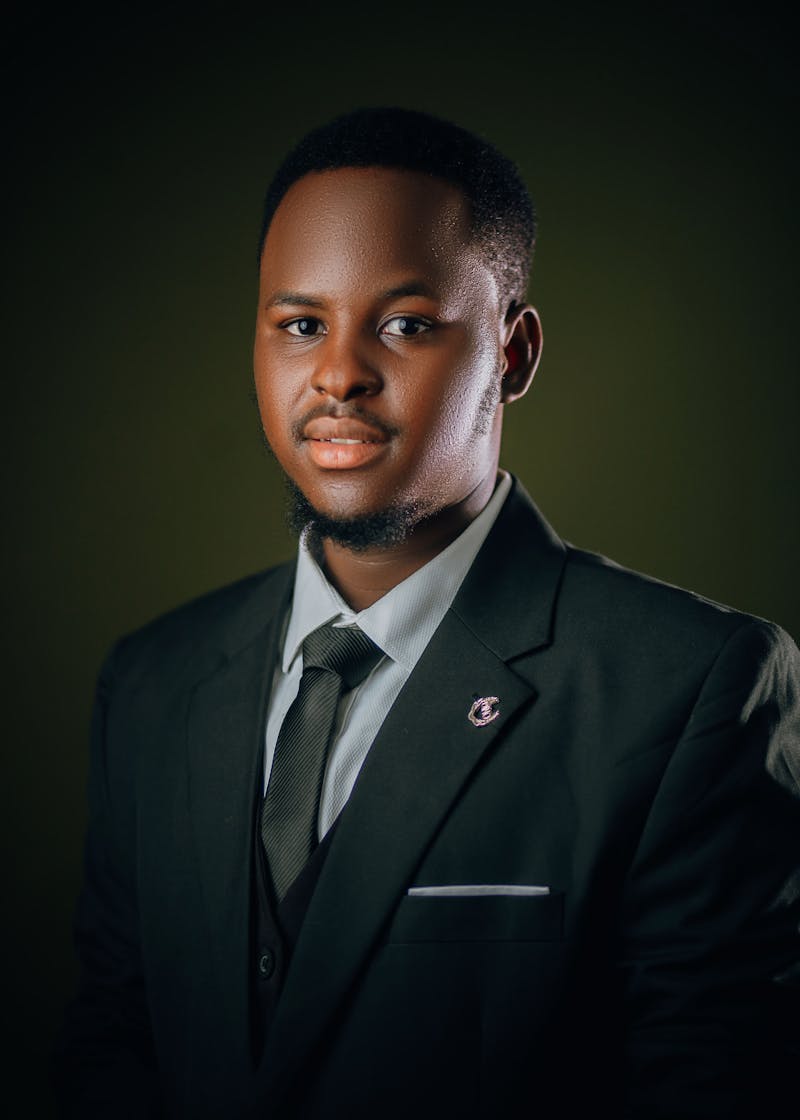
The best professional headshot examples have sharp eyes, soft directional light, a background that does not compete with the face, fitted clothing, and an expression that balances competence with warmth. If a photo looks like a cropped selfie, has harsh shadows, or shows a messy background, it will read as amateur even if the person looks good.
Professional headshot scorecard
Use this scorecard to compare your current photo against a polished professional example. The fastest conversion path is simple: identify the weak signals, then generate new options that fix them.
| Signal | Professional example | Weak example |
|---|---|---|
| Eyes | Both eyes sharp with visible catchlights. | Soft focus, dead eyes, or glasses glare. |
| Lighting | Soft directional light shapes the face naturally. | Flat flash, overhead shadows, or harsh sun. |
| Background | Clean studio, office, or softly blurred setting. | Messy room, readable text, or distracting people. |
| Wardrobe | Fitted, solid, role-appropriate clothing. | Wrinkles, logos, busy patterns, or poor fit. |
| Expression | Confident, warm, and recognizable. | Forced smile, tense mouth, or cold stare. |
Lighting quality: the single biggest differentiator
Lighting is the number one factor that separates professional headshots from amateur ones. It is also the hardest to fake. In a professionally lit headshot, look at the catchlights in the subject's eyes. These are the reflections of the light source, and they tell you everything about the setup. A single, well-defined rectangular or octagonal catchlight at roughly the 10 o'clock or 2 o'clock position indicates a properly placed key light with a softbox modifier. Multiple small, scattered catchlights suggest uncontrolled ambient light. No catchlights at all means the lighting was flat, overhead, or behind the camera, which produces lifeless eyes.
- Sharp eye contact. Both eyes are in focus and looking directly at the viewer, creating an immediate connection.
- Flattering light. Soft, diffused lighting that sculpts the face without creating harsh shadows under the nose or chin. Read our lighting setup guide for more detail.
- Appropriate crop. Typically from mid-chest or shoulders up. The face takes up about 60% of the frame. Too much space above the head looks amateur.
- Clean background. White, light grey, or a gently blurred environment. Nothing that competes with your face.
- Genuine expression. A natural smile or calm confidence. Forced smiles are instantly recognizable and erode trust.
Background selection: simple does not mean careless
How to spot professional lighting
Professional lighting creates what photographers call 'dimensionality.' The face has visible but gentle transitions between light and shadow that reveal bone structure, define the jawline, and create depth. Amateur lighting does one of two things: it either flattens the face entirely (direct flash, overhead fluorescents, or ring lights used at too close a range) or it creates harsh, unflattering shadows (direct sunlight, small bare bulbs, or a single window without fill). The sweet spot is directional light from a large source, typically a 36-inch or larger softbox, umbrella, or a large north-facing window, positioned roughly 45 degrees to one side and slightly above eye level.
What professional backgrounds have in common
A practical test: look at the shadow under the nose. In a professional headshot, this shadow is visible but small, angling down and slightly to one side without reaching the upper lip. This is called 'loop lighting' and it is the most universally flattering pattern for headshots. If the nose shadow is a hard, dark line extending to the lip, the light is too small or too far away. If there is no nose shadow at all, the lighting is flat and the image will lack depth. If the shadow extends straight down (butterfly lighting), the key light is directly above, which can be effective for beauty photography but is less common in professional headshots because it can deepen eye socket shadows.
Wardrobe choices that read as professional
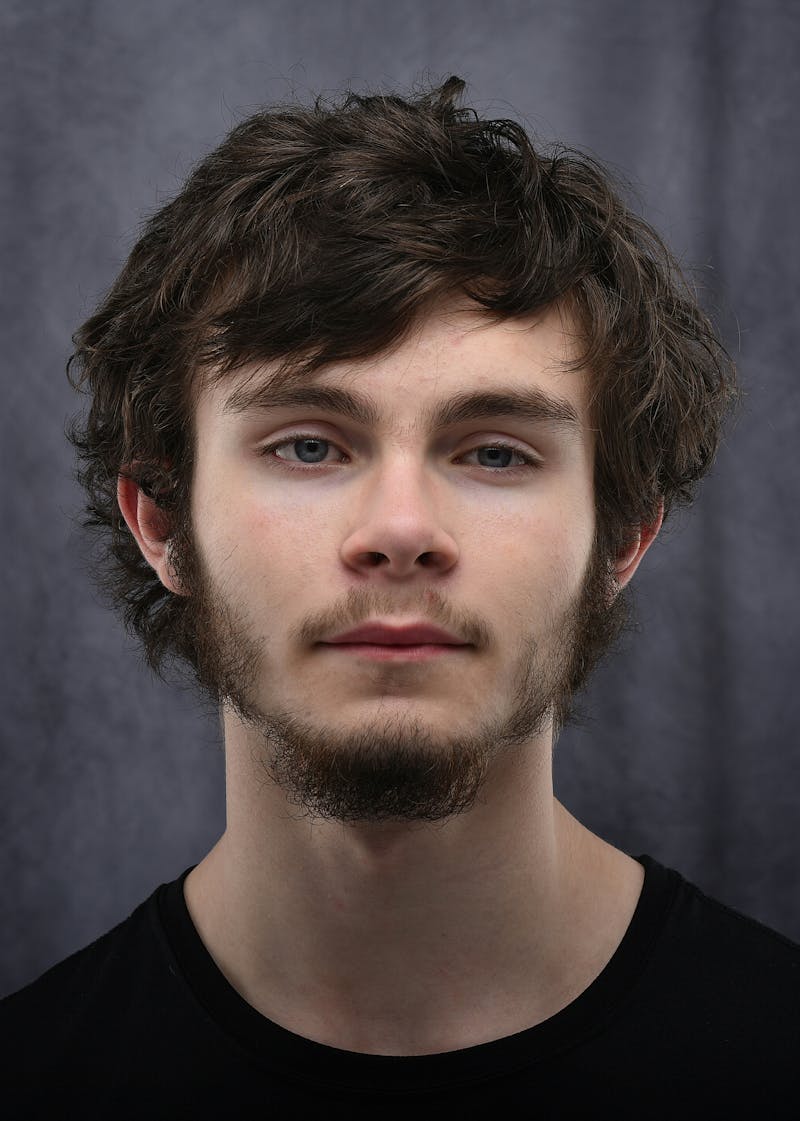
Professional headshot backgrounds share one trait: they support the subject without competing for attention. The most common professional backgrounds are seamless paper in neutral tones (gray, white, light blue), painted canvas with subtle texture variation, and environmental backgrounds with sufficient depth of field to render them as soft, recognizable shapes rather than sharp details.
Wardrobe: the professionalism markers
What professional expressions share
The specific background color matters more than most people realize. Research by the University of Loyola found that color increases brand recognition by up to 80%, and your headshot background contributes to your personal brand perception. A medium gray background reads as corporate and neutral. A warm off-white feels approachable and modern. A navy or dark charcoal background conveys authority and premium positioning. A natural outdoor background suggests openness and accessibility. Amateur headshots often use backgrounds that actively undermine the professional impression: a cluttered room, a bathroom mirror, a car interior, a patterned wallpaper, or an outdoor scene with distracting elements like trash cans, other people, or harsh shadows.
Framing that reads as professional
One background detail that immediately signals amateur work is visible texture or pattern at full size. A professional seamless paper backdrop or a well-executed environmental blur shows no distracting detail. If you can see individual bricks, carpet fibers, wood grain, or wall imperfections at the standard viewing size of the headshot, the background is pulling focus from the face. Either increase the distance between subject and background, use a wider aperture to increase blur, or choose a smoother surface.
Use this checklist to evaluate any headshot
Wardrobe in a professional headshot follows a simple hierarchy: solid colors over patterns, structured garments over casual ones, and fitted over loose. The reasoning is technical as much as aesthetic. Busy patterns (thin stripes, small checks, herringbone) can create moire interference artifacts on camera sensors, producing a distracting shimmer effect in the image. Loose or oversized clothing creates shapeless silhouettes that look sloppy even with perfect lighting. Wrinkled fabric catches light unevenly and adds visual noise.
Expression and body language: the subtle signals
- Outdated photos. If your headshot is more than two to three years old, or your appearance has changed significantly, it is time for a new one.
- Too much retouching. Light skin smoothing is fine, but removing all texture makes you look artificial. People should recognize you in person.
- Cropping from a group photo. The resolution drops, the background is messy, and the lighting is wrong. Always use a dedicated headshot.
- Selfie distortion. Phone cameras at arm's length distort facial proportions (bigger nose, smaller ears). Use portrait mode at minimum or, better yet, a proper setup.
- Distracting background. A messy room, a busy street, or a bathroom mirror behind you undermine even a great expression.
Professional headshot examples FAQ
What are good professional headshot examples?+
Good professional headshot examples show sharp eyes, soft directional lighting, a clean background, fitted wardrobe, a natural expression, and a crop from the head through the upper chest.
What is the best background for a professional headshot?+
Light grey, off-white, muted blue, and softly blurred office backgrounds are the safest professional choices. They keep attention on the face while still looking polished.
How do I know if my headshot looks professional?+
Score it against five signals: sharp eyes, flattering light, clean background, appropriate wardrobe, and a confident expression. If it fails two or more, it is usually worth replacing.
Can AI produce professional headshot examples for men and women?+
Yes. AiProPortrait generates professional headshot options for men and women across business, LinkedIn, studio, and creative styles from uploaded selfies.
Composition and technical quality
For men, the professional wardrobe spectrum runs from a full suit with tie (most formal) through a blazer with open-collar shirt (business casual) to a well-fitted crew neck or henley (tech/creative casual). The fit is more important than the garment itself. A perfectly fitted $50 blazer from a fast-fashion retailer photographs better than an ill-fitted $500 designer jacket. Collar detail matters: the collar should sit flat against the neck without gapping, bunching, or riding up. If you are wearing a tie, the knot should be tight and symmetrical, visible above the suit lapels.
For women, the range extends from a tailored blazer over a simple blouse (most formal) through a structured dress or top with an interesting neckline (business creative) to a fitted sweater or clean V-neck (approachable professional). Jewelry should be minimal and non-reflective: large metal pieces create bright spots that draw the eye, and dangling earrings create motion blur risk. Necklines matter compositionally: V-necks and scoop necks create leading lines toward the face, while high crew necks or turtlenecks can make the neck look shorter depending on proportions. See our <a>headshot outfits for women</a> guide for specific recommendations by industry.