AI Headshot vs Photographer: Honest Comparison (2026)
You need a new professional headshot. The question used to be 'which photographer should I hire?' Now there is a second option that did not exist five years ago: AI headshot generators. Both can produce a polished, professional result, but they are fundamentally different experiences with different strengths, limitations, and ideal use cases. This is not a comparison designed to steer you toward one option. I have used both extensively, and I think the honest answer is that the right choice depends entirely on your specific situation. Here is everything you need to evaluate that decision clearly.
| Factor | AI Headshot | Photographer |
|---|---|---|
| Price | $19 - $39 | $150 - $500+ |
| Photos delivered | 40+ | 3 - 10 |
| Turnaround | ~2 minutes | 1 - 2 weeks |
| Scheduling | None needed | Book days/weeks ahead |
| Background options | Unlimited | Limited by studio |
| Outfit changes | AI-generated | Bring your own |
| Team consistency | Automatic match | Hard to coordinate |
Price comparison: the full picture
A professional headshot session in the United States typically costs $150 to $500, depending on your city, the photographer's experience level, and what is included. In major markets like New York, Los Angeles, and San Francisco, rates for experienced headshot specialists start at $350 and can exceed $800 for premium packages. A standard session includes 30-60 minutes of shooting, 3-10 retouched images delivered digitally, and a 1-2 week turnaround. Some photographers offer hair and makeup as an add-on for $75-150, which brings the total for a full-service session into the $300-700 range. For a detailed breakdown, see our <a>headshot pricing guide</a>.
AI headshot generators operate on a completely different pricing model. AiProPortrait charges $19 to $39 depending on the plan, and delivers 40+ finished images in approximately 2 minutes. Other AI services range from $15 to $50 per batch. On a per-image basis, the math is stark: a photographer delivers retouched images at roughly $30-80 each, while AI delivers them at roughly $0.50-1.00 each. However, per-image cost is not the only metric that matters, which is why the rest of this comparison exists.
Quality comparison: where the gap is and where it is not
Let us be specific about quality rather than speaking in vague terms. A skilled photographer working with professional lighting equipment (Profoto, Godox, or similar strobes with quality modifiers) produces images at the camera's native resolution, typically 6000x4000 pixels or higher on modern full-frame cameras. They control every variable in real time: if a shadow falls in the wrong place, they move the light. If your collar is crooked, they fix it before pressing the shutter. If your expression looks forced, they talk you through it until it relaxes. The output is a hand-crafted image where every pixel has been considered. Color accuracy is precise because the photographer calibrates their monitor and works in controlled lighting conditions.
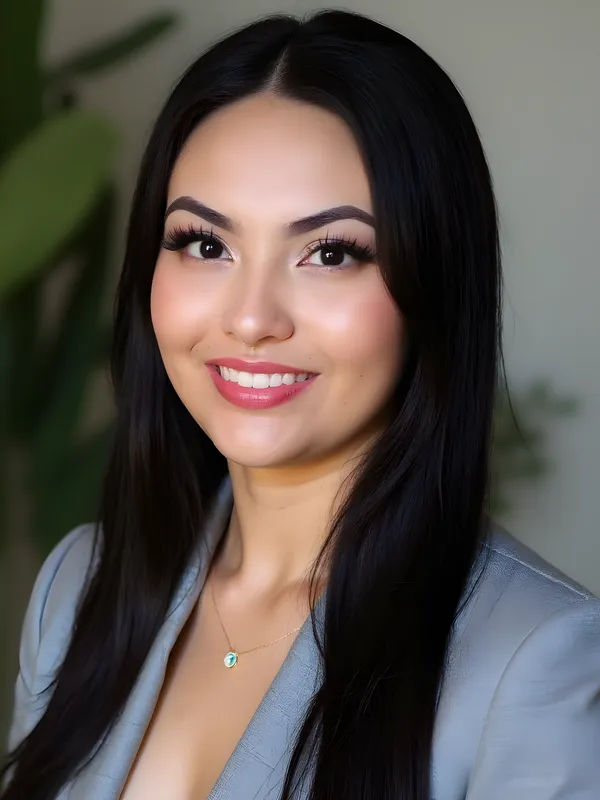
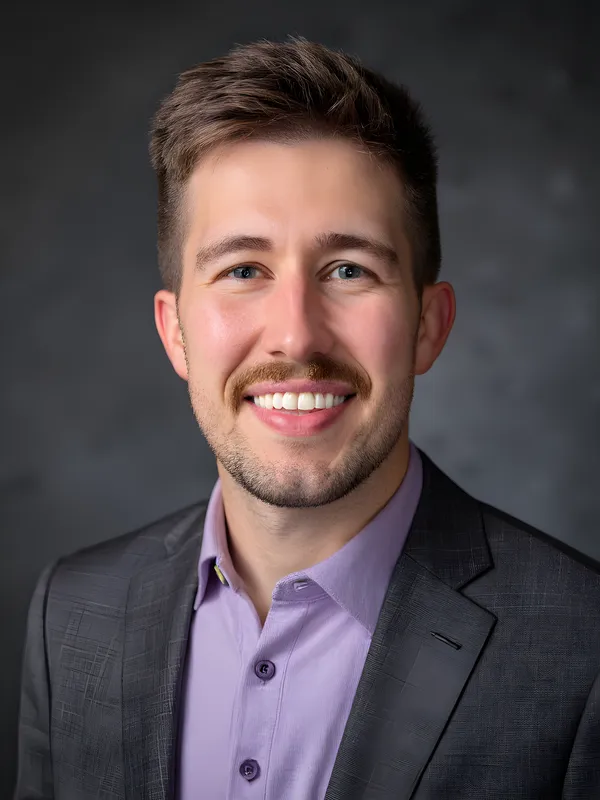
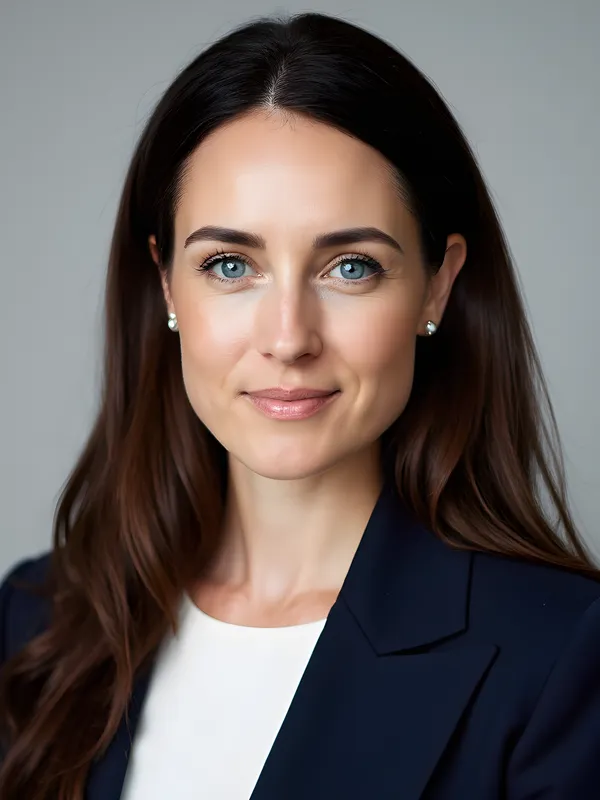
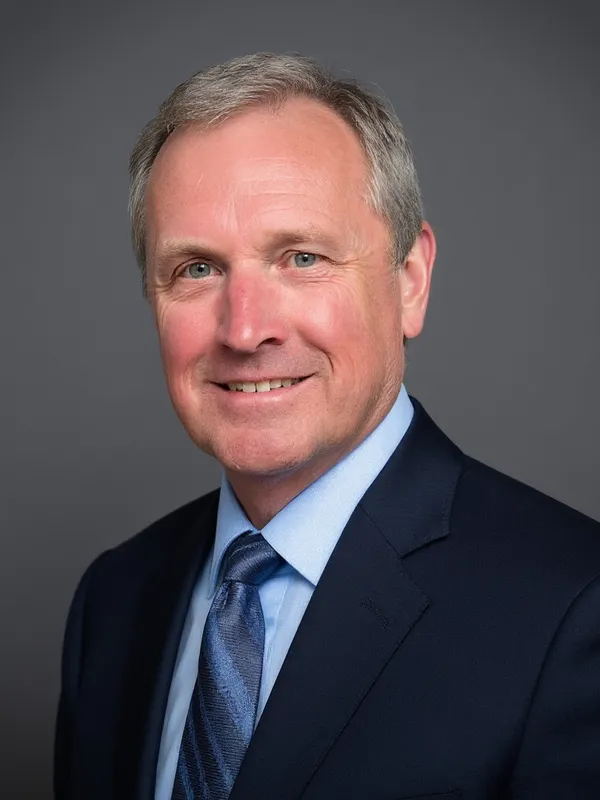
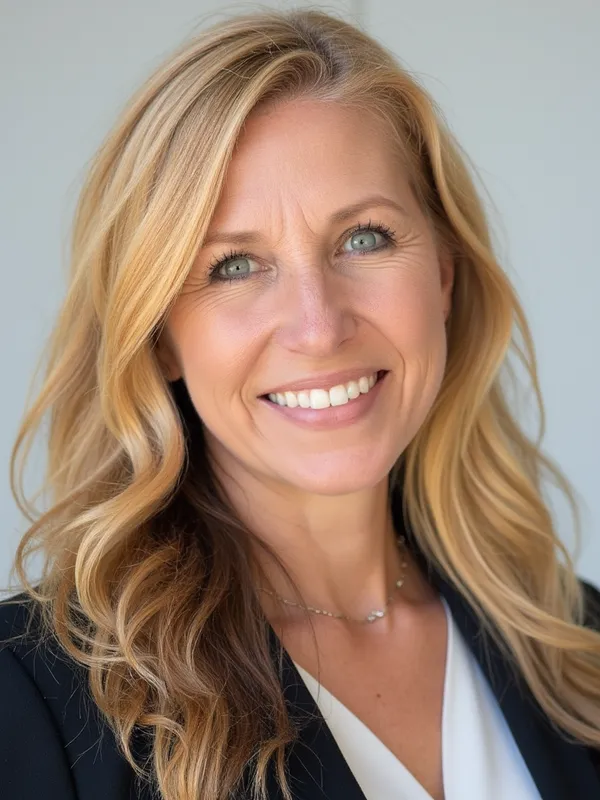
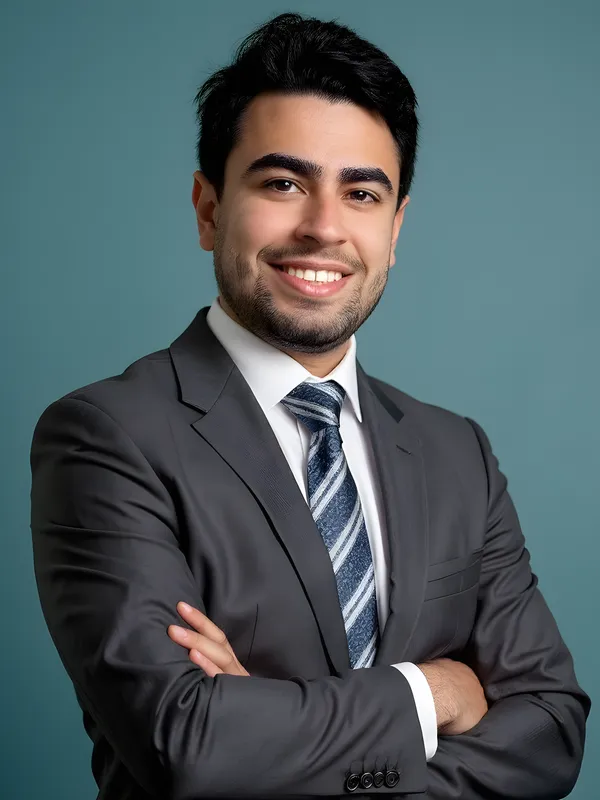
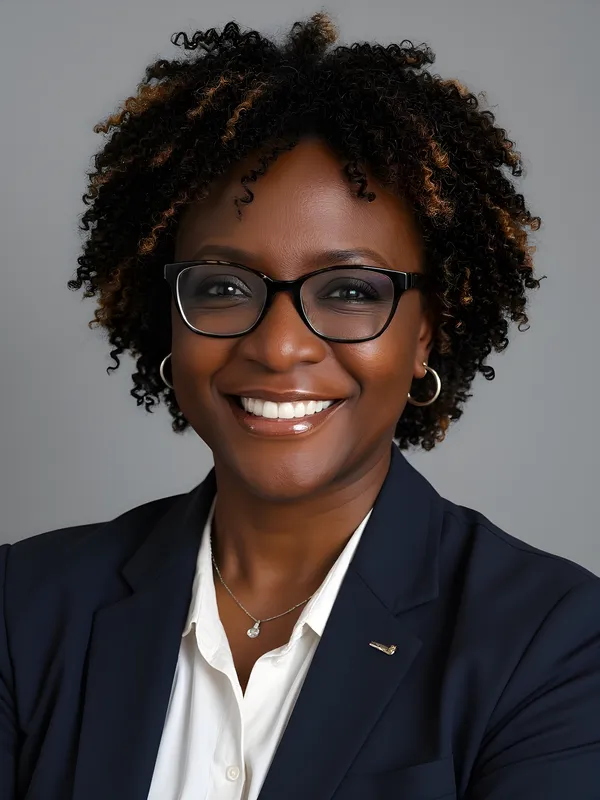
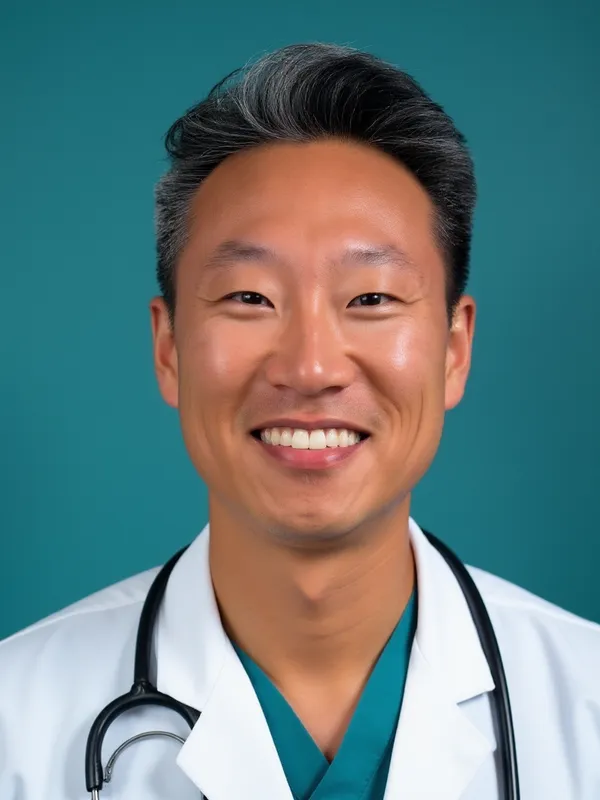
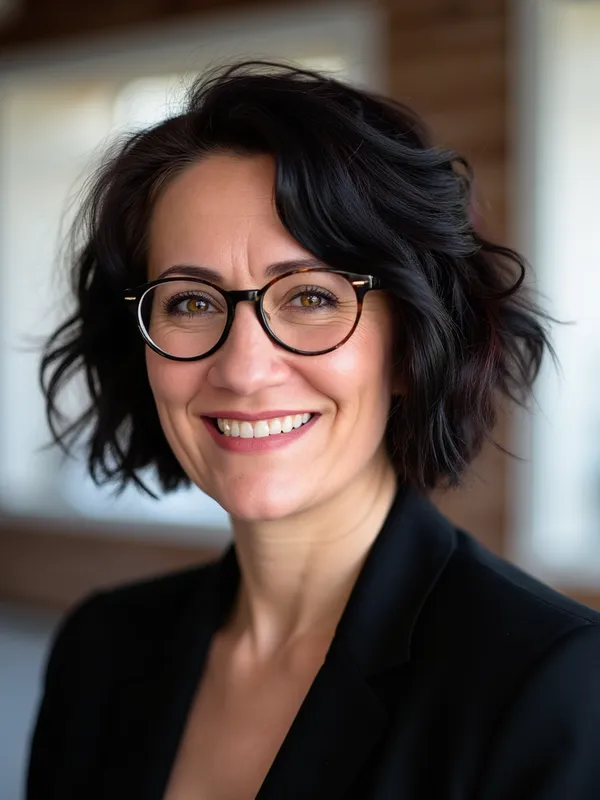
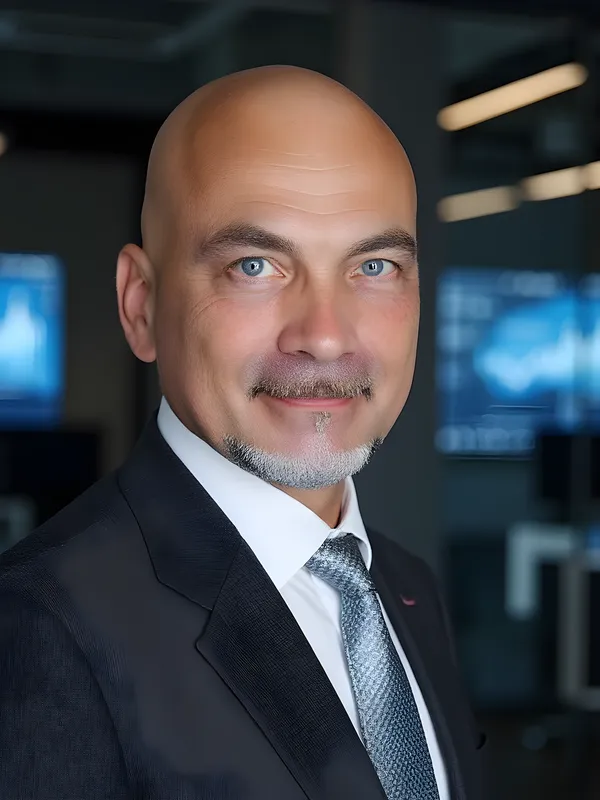
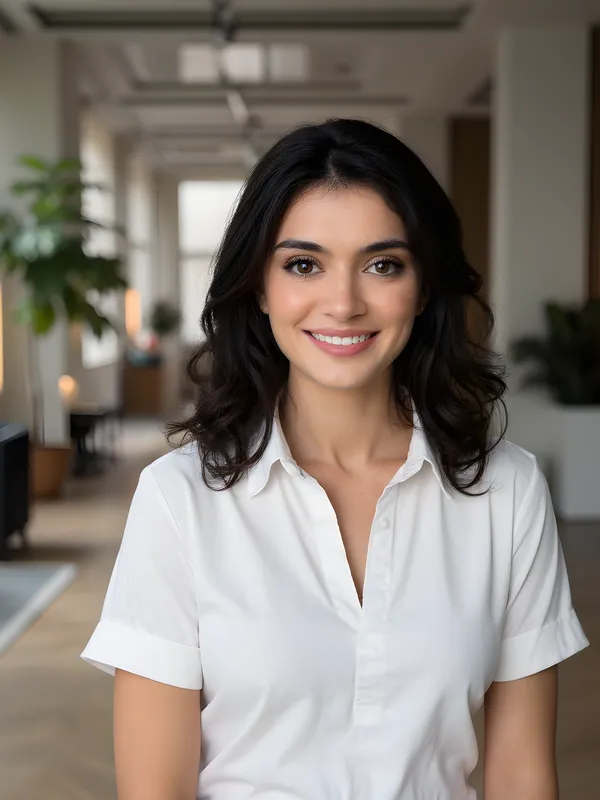
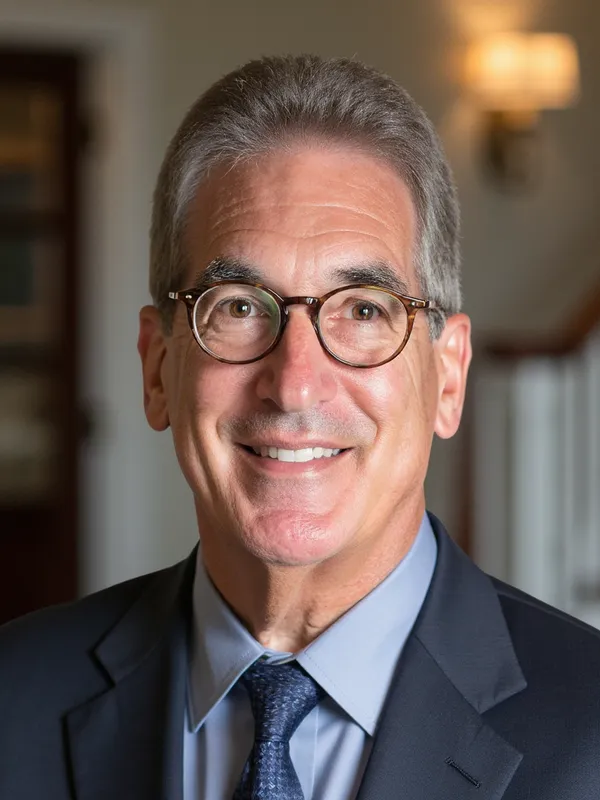
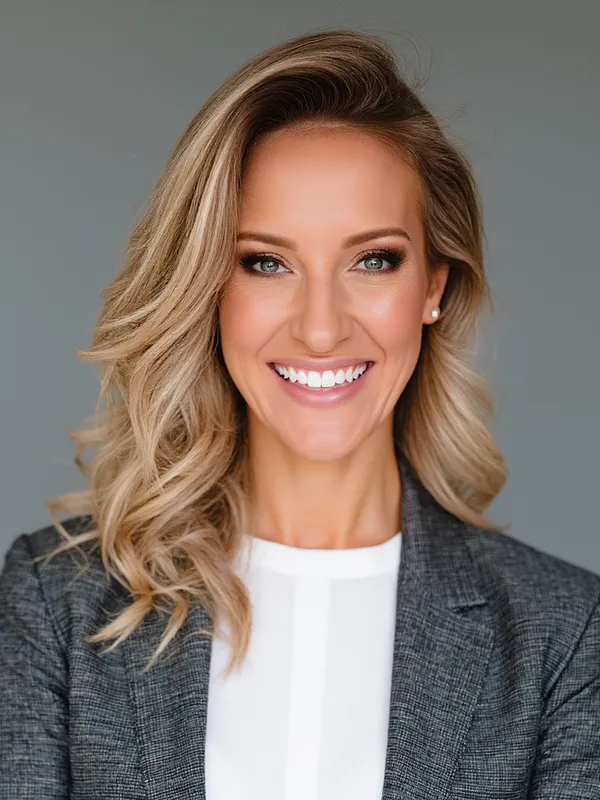
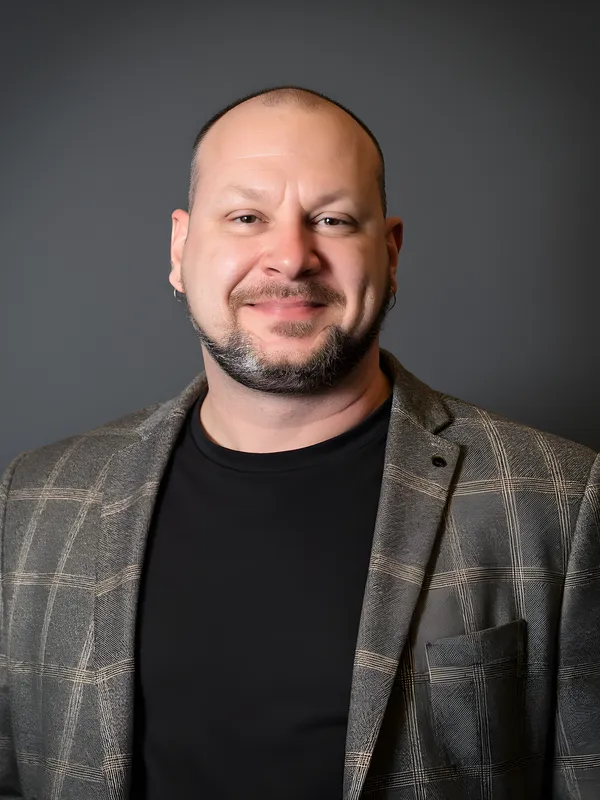
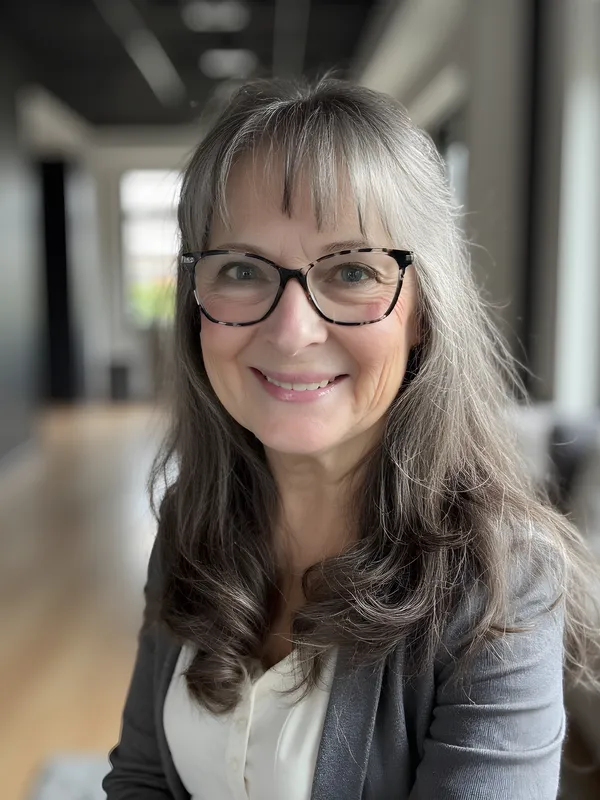
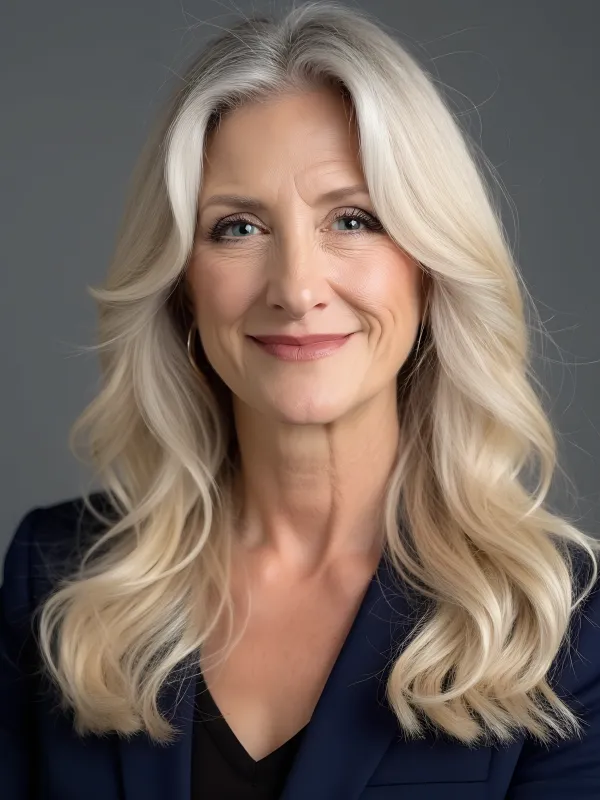
AI headshots in 2026 produce images that are genuinely difficult to distinguish from studio photography at typical display sizes (LinkedIn, company websites, email signatures, business cards). Resolution is typically 1024x1024 to 2048x2048 pixels, which is more than sufficient for digital use but may fall short for large-format printing. The AI handles lighting, background, and basic retouching automatically. Color accuracy is generally good but can occasionally skew warm or cool depending on the input photos. Detail rendering on hair, skin texture, and fabric is impressive in the best generators but still shows subtle differences under close inspection compared to optical photography.
Speed and convenience: no contest
The quality gap between AI and professional photography has narrowed dramatically since 2023, but it has not closed completely. At a glance on a phone screen, most people cannot tell the difference. At 100% zoom on a calibrated monitor, a trained eye will spot differences in micro-contrast, skin texture rendering, and the way light falls on complex surfaces like eyeglasses or jewelry. For the vast majority of professional headshot applications, this distinction is academic. For high-end editorial or print work, it still matters.
With a photographer, the process involves research (finding someone whose style matches your needs), scheduling (often 1-2 weeks out, sometimes more), preparation (planning your wardrobe, arranging hair and makeup if needed), travel to the studio, the session itself (typically 30-60 minutes), and then waiting 1-2 weeks for edited images. The entire process from first inquiry to final delivery is realistically 2-4 weeks.
A practical comparison table
With AI, the process is: upload 5-10 selfies, wait approximately 2 minutes, review 40+ finished images, download your favorites. Start to finish in under 10 minutes. If you need a professional headshot today, perhaps for a job application deadline, a conference badge, or an urgent company directory update, AI is not just the more convenient option. It is the only viable option. This speed advantage extends to iteration as well. If you do not love the results, you can upload different input photos and generate a new batch immediately, something impossible with a photographer without rebooking and paying again.
Here is how the two options compare across the metrics that matter most. Price: photographers run $150-500+ per session while AI costs $19-39. Turnaround time: photographers deliver in 1-2 weeks while AI delivers in 2-5 minutes. Number of final images: photographers typically deliver 3-10 retouched photos while AI produces 40+. Maximum resolution: photographer images reach 6000x4000+ pixels while AI typically tops out at 1024x1024 to 2048x2048. Customization during the shoot: photographers offer full real-time control while AI relies on your input photos and style selection. Creative direction: photographers provide expert posing and styling guidance while AI offers none. Consistency for teams: photographers require coordinating schedules and may have lighting variation across sessions while AI produces automatically matched results. Quality ceiling for premium work: photographers win for editorial, print campaigns, and casting while AI wins for digital profiles, directories, and everyday professional use.
AI limitations: what you should know honestly
- You want a creative, editorial look with specific poses and locations.
- You are an actor or model and need casting-specific shots with very precise expressions.
- You have a generous budget and prefer an in-person experience.
- You need a specific setup (e.g. environmental portrait at your office or lab).
When to book a photographer
- You need a professional headshot quickly and affordably.
- You want multiple backgrounds and outfit options without changing clothes.
- You are part of a team that needs consistent, matching headshots.
- You want to try different looks before committing to a specific style.
- You do not have access to a good photographer in your area.
When to use AI
AI headshot generators are not perfect, and pretending otherwise would undermine the credibility of this entire comparison. Here are the real limitations you should be aware of. First, artifacts and inconsistencies. AI can occasionally produce subtle distortions in areas like ear shape, hairline transitions, collar symmetry, or background edges. These are typically minor and only visible on close inspection, but they exist. Second, unusual accessories. Headshots involving complex eyeglass frames, hearing aids, religious headwear with intricate patterns, or elaborate jewelry can challenge current AI models, sometimes producing smoothed or slightly altered versions of these items.
Third, the lack of creative direction. When you sit with a skilled photographer, they coach your expression, adjust your posture, suggest tilting your chin, and capture dozens of micro-variations until they nail the one that looks best. AI cannot do this. It works with whatever input you provide, which means the quality of the output is heavily dependent on the quality of your selfies. Fourth, the uncanny valley risk. While rare with modern generators, some AI headshots can produce an image that looks almost-but-not-quite right in a way that is hard to articulate. This is usually caused by poor input photos rather than a fundamental limitation of the technology, but it is a risk that does not exist with optical photography.