Actor Headshot Examples: Commercial vs Theatrical
Your headshot is your calling card in the acting industry. It is often the first (and sometimes only) thing a casting director sees before deciding whether to bring you in for an audition. A great actor headshot needs to look exactly like you, show your range, and meet specific industry standards.
Commercial headshot examples
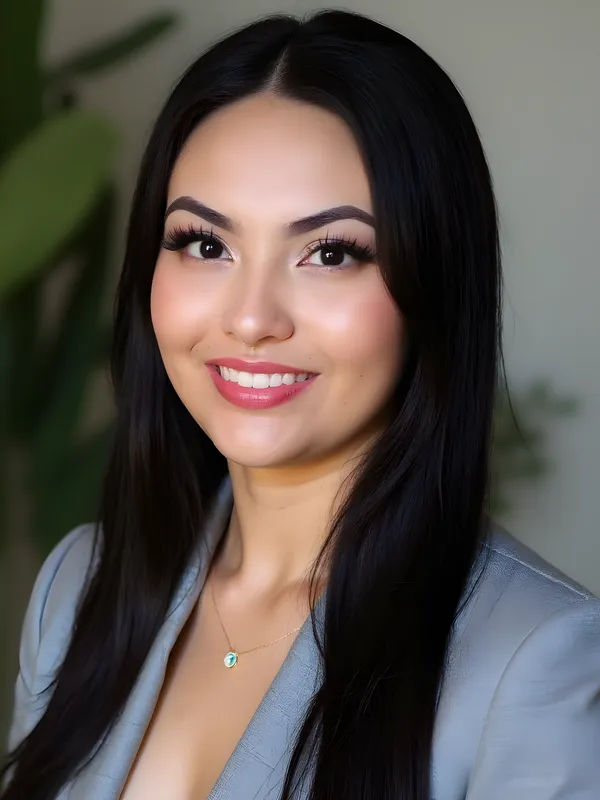
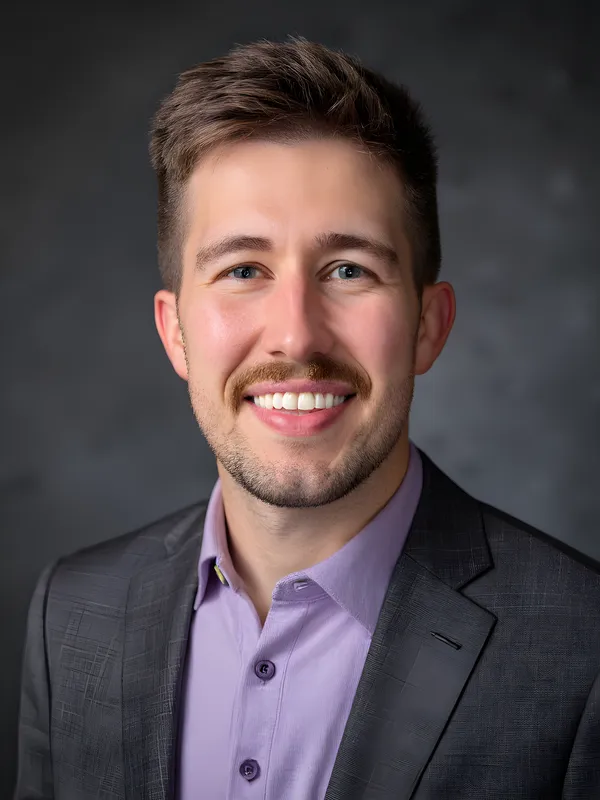
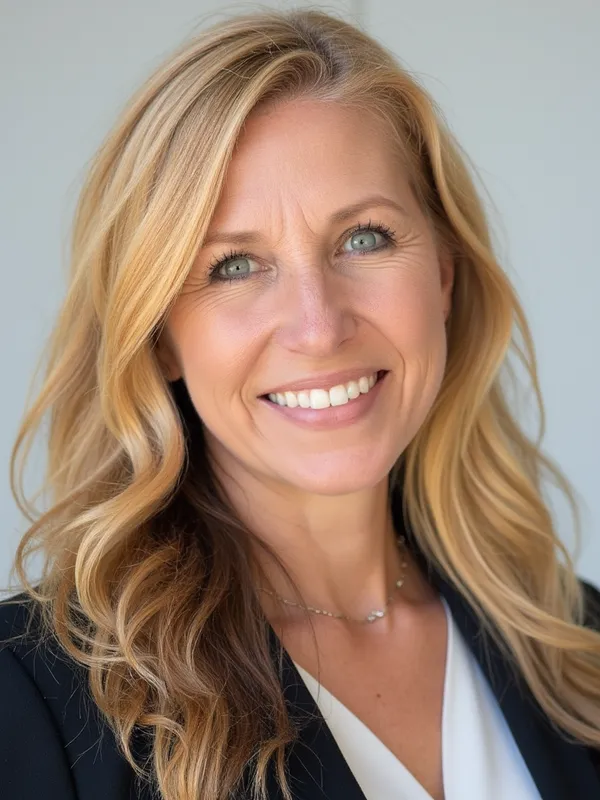
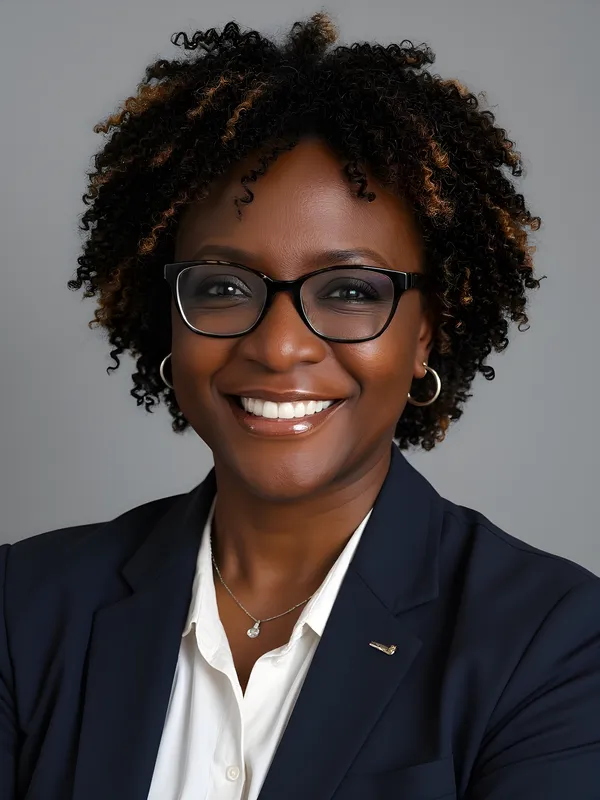
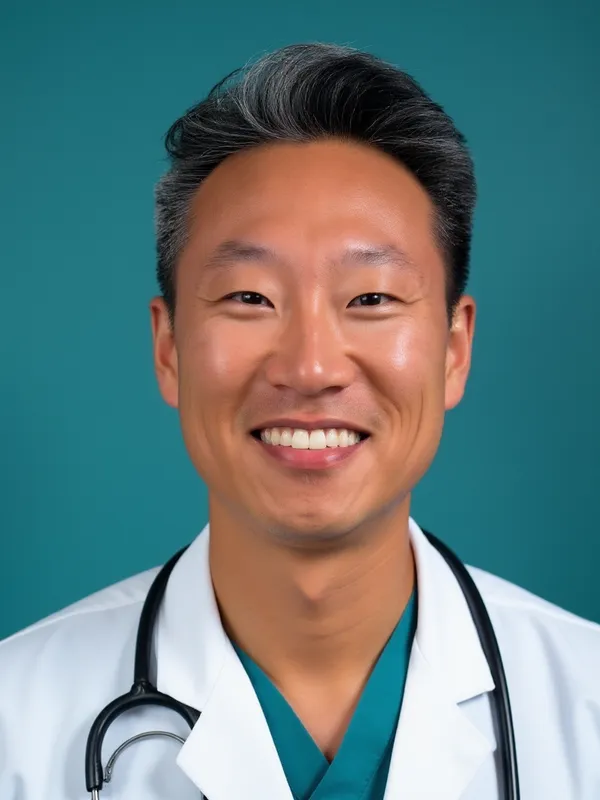
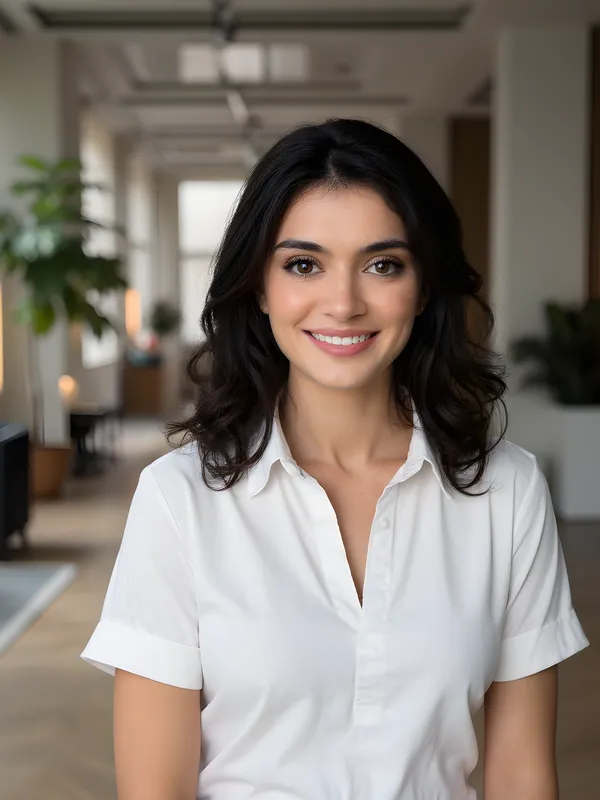
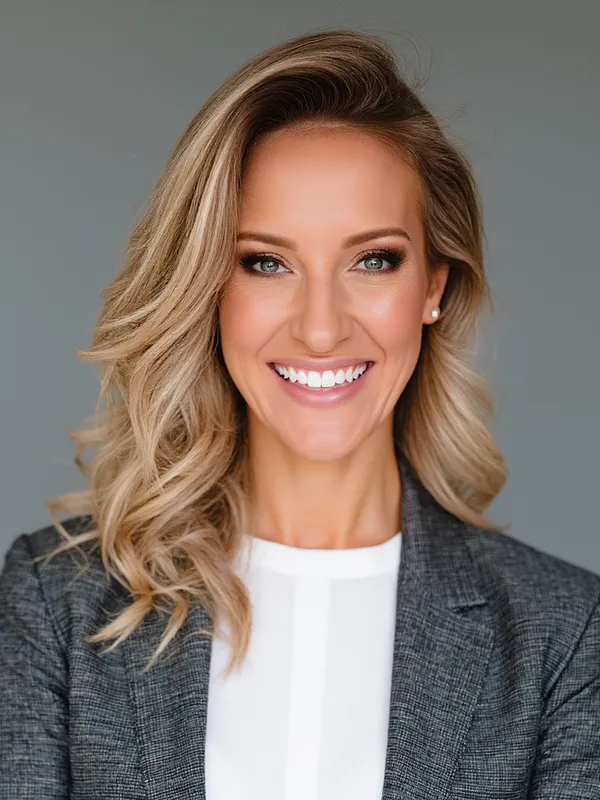
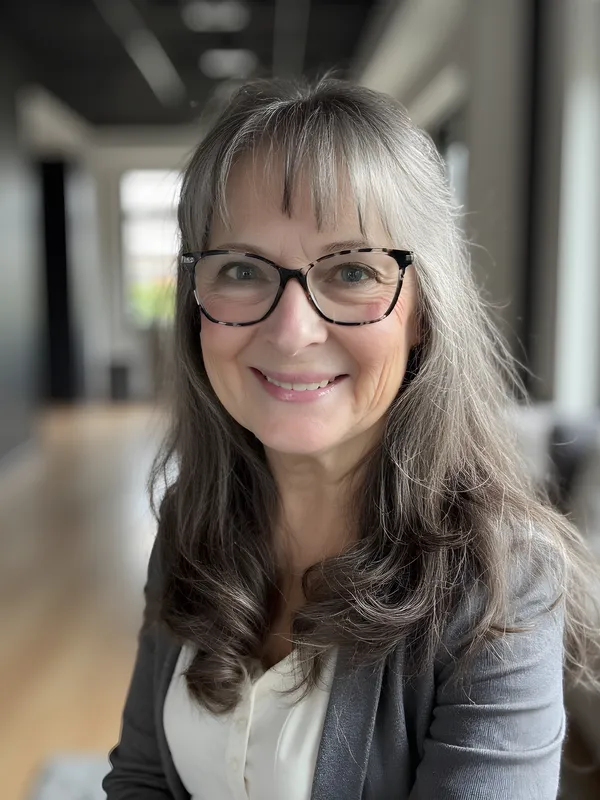
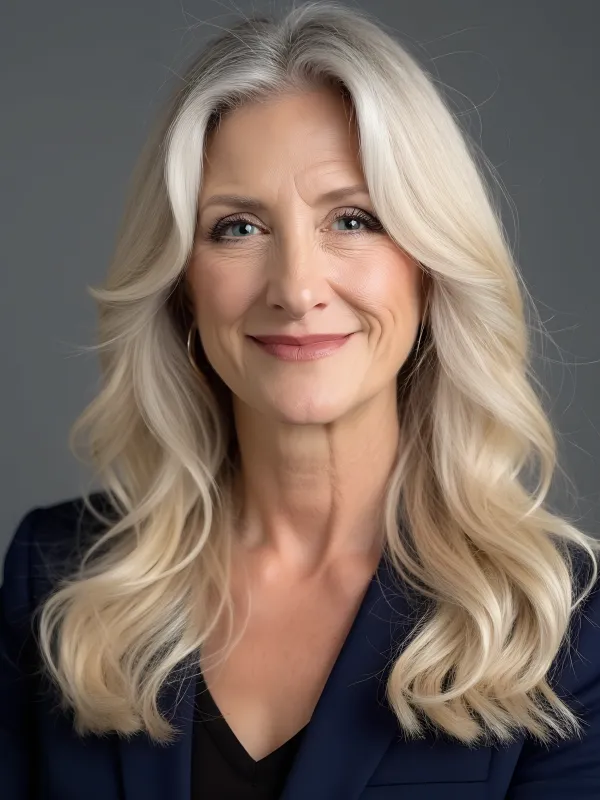
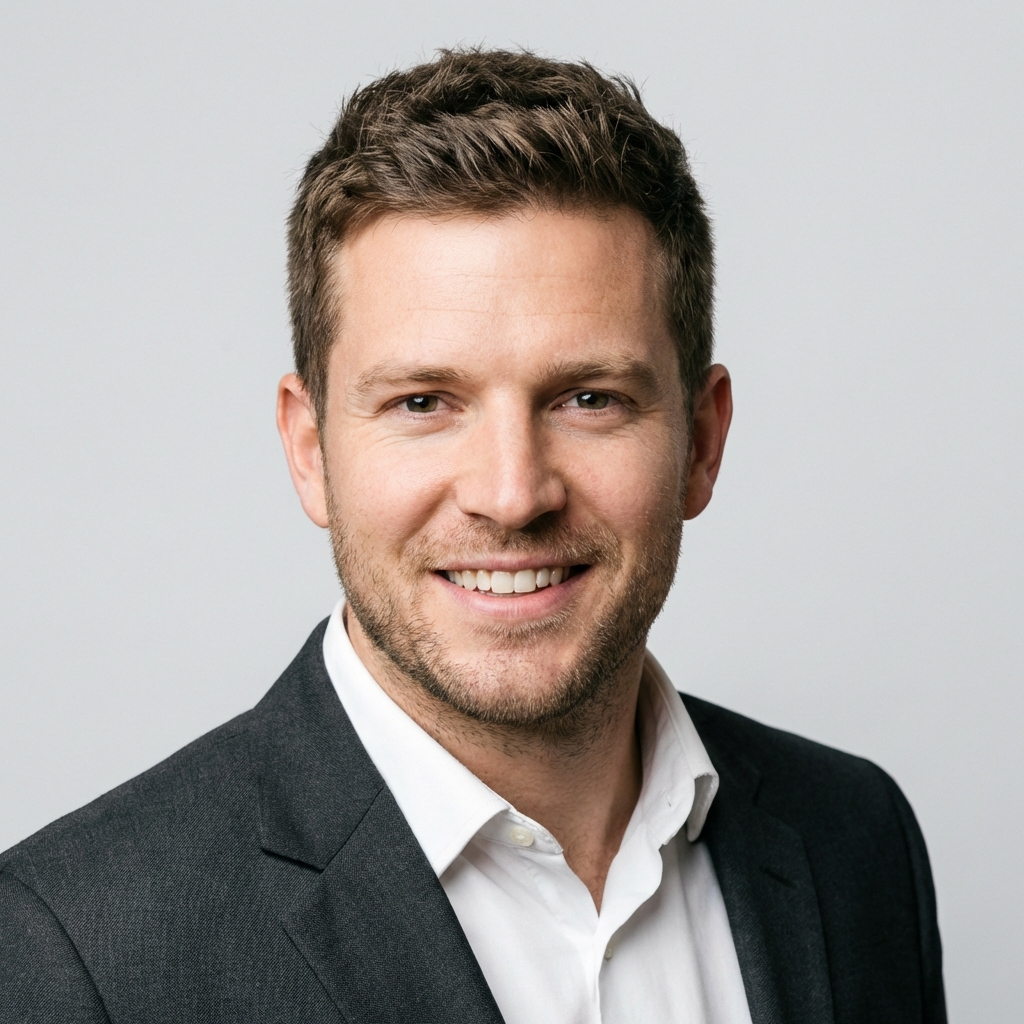
Commercial headshots are used for auditions involving ads, TV commercials, sitcoms, and brands. The goal is to look likable, relatable, and trustworthy. A casting director for a cereal ad wants to see someone who could be your friendly neighbor, not an intense dramatic character.
What defines a strong commercial headshot: a friendly, genuine smile that makes you look approachable and likable. Natural, even lighting that flatters without creating dramatic shadows. Wardrobe that is casual-professional, think a solid-color shirt or simple top rather than a suit. The overall vibe should say "someone you would see in a TV commercial for coffee or car insurance." Your eyes should be warm and inviting, and the background should be clean and uncluttered so the focus stays entirely on your expression.
- A big, natural smile. The smile should reach your eyes. Think genuine warmth, not a beauty pageant grin.
- Even, bright lighting. The overall tone is upbeat and inviting. No dramatic shadows.
- Approachable wardrobe. Solid colors that pop without overpowering. Jewel tones work well. Avoid logos and patterns. See our what to wear guide for more detail.
- Clean background. White or light grey is standard. The focus stays entirely on your face.
Theatrical headshot examples
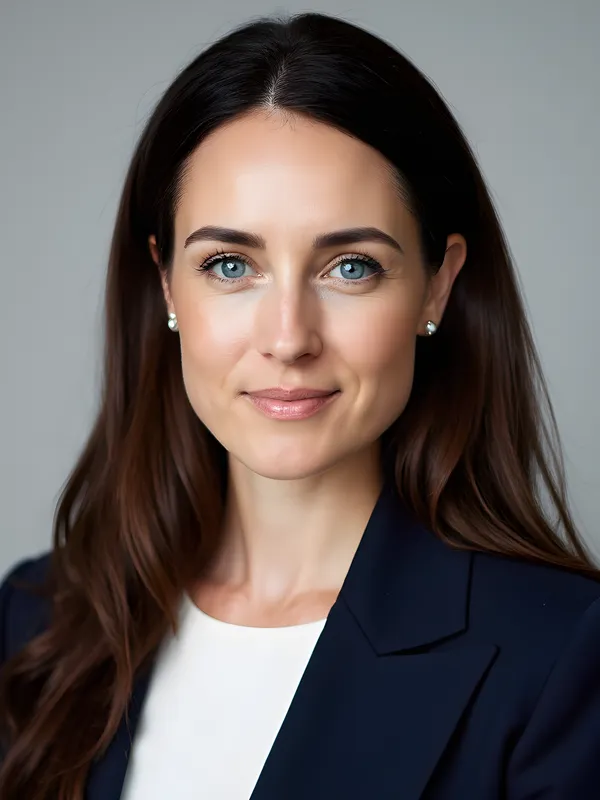
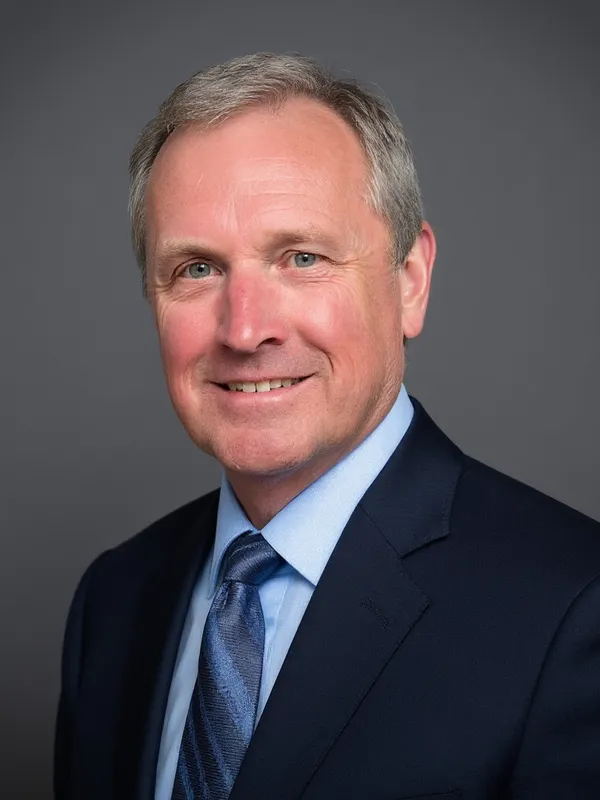
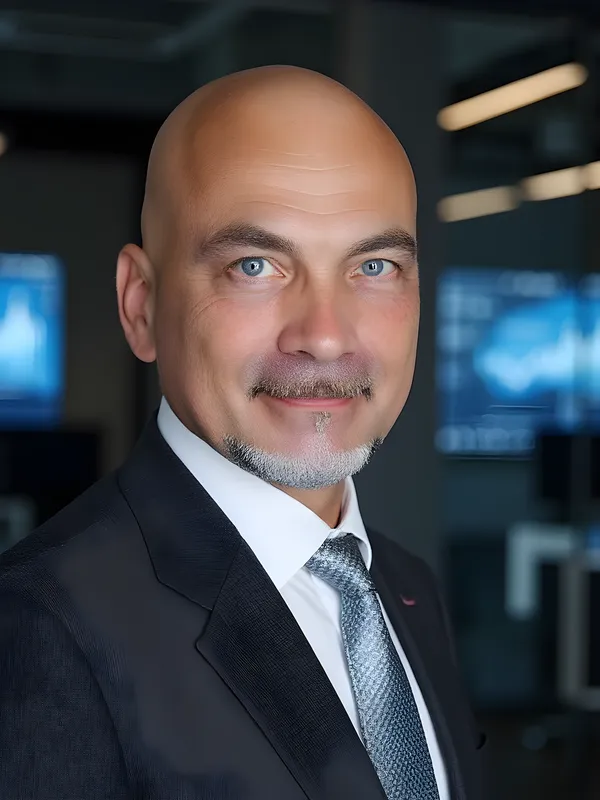
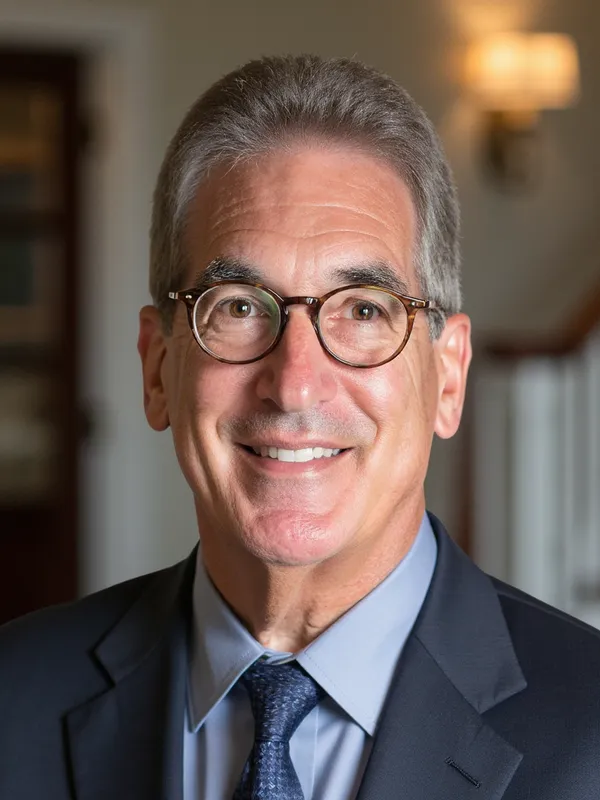
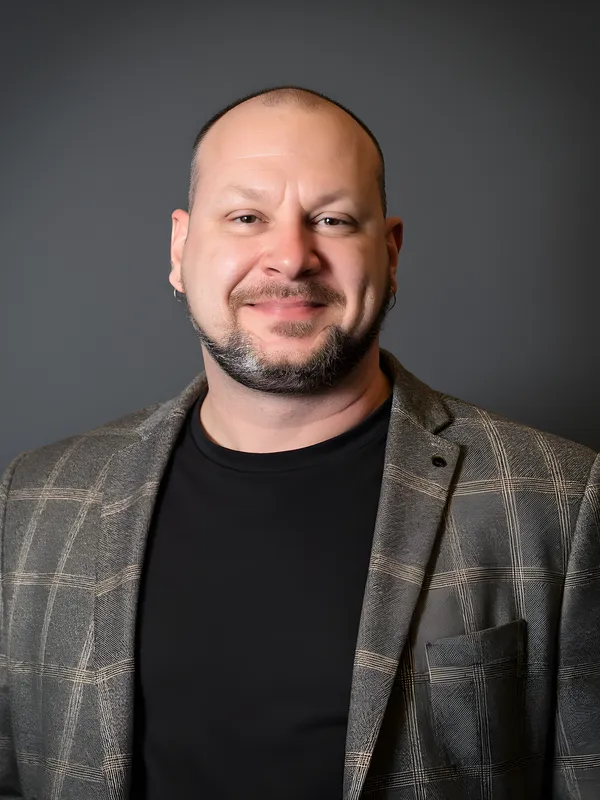
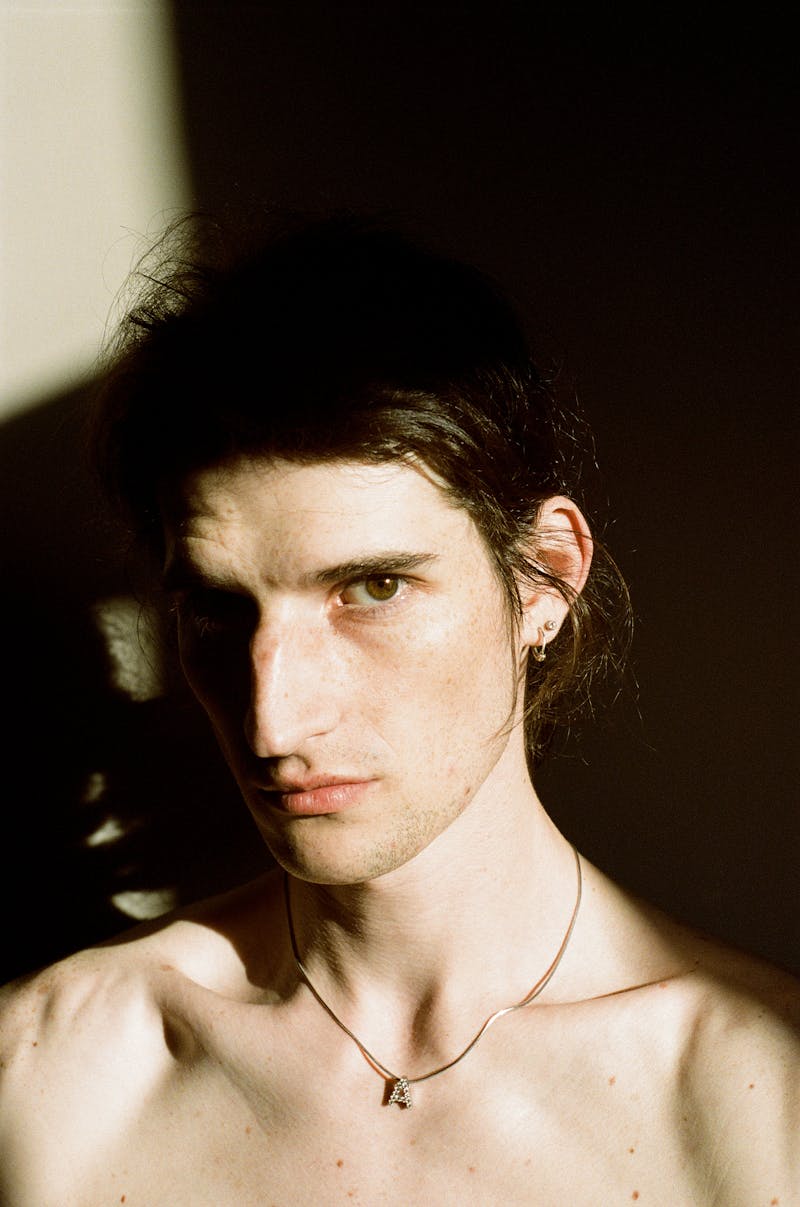
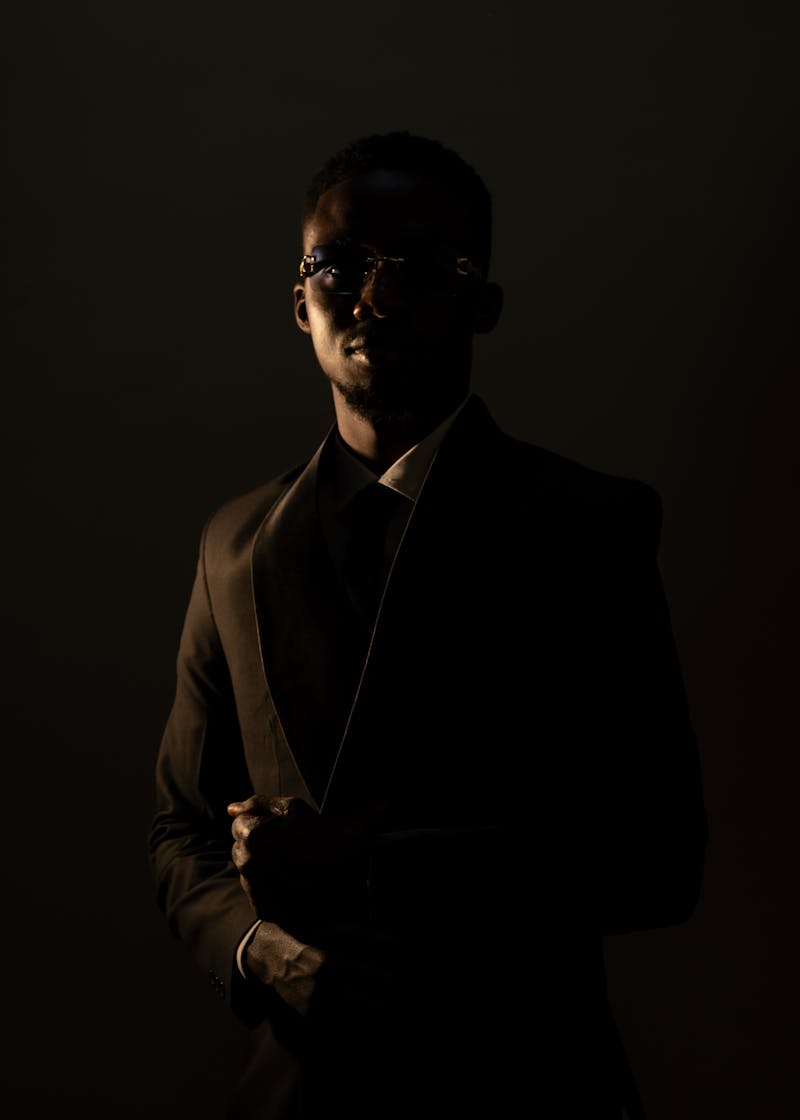
Theatrical (also called “legit”) headshots are for film, TV drama, and stage work. These show more emotional depth and complexity. A casting director for a Netflix drama wants to see layers of personality, not just a pretty smile.
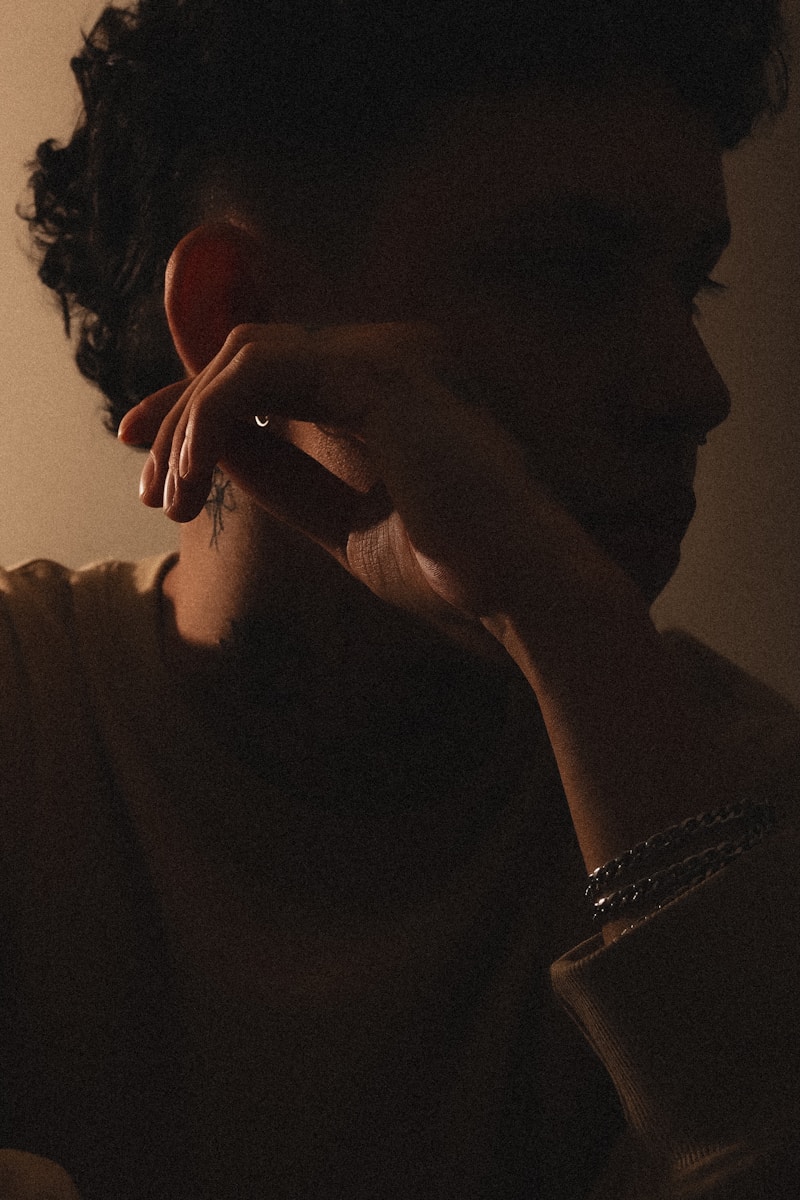
What sets theatrical headshots apart: more intensity and emotional depth in your expression. Darker or moodier lighting is acceptable and even encouraged, often with dramatic side lighting or shadow play. Your expression can show vulnerability, conflict, strength or mystery rather than just friendliness. The wardrobe tends to be simpler and darker so the focus stays on your face and eyes. A great theatrical headshot makes a casting director feel like you already have a story to tell before you even walk into the room.
- More nuanced expressions. A subtle, closed-mouth look. Intensity without being aggressive. A thoughtful gaze. The expression should hint at a story behind the eyes.
- Moodier lighting. More contrast, deeper shadows that sculpt the face. The lighting itself conveys emotion.
- Earthy, muted wardrobe. Deep greens, greys, burgundy. Avoid stark white or black. The colors should complement the mood without drawing attention.
- Variety of emotions. Intense looks for action/adventure types, reflective looks for dramatic roles, quirky looks for comedy.
What casting directors actually look for
Based on advice from working casting directors, here is what matters most: First, authenticity. Your headshot must look like you walked in today, not five years and fifteen pounds ago. Second, sharp, expressive eyes. Casting directors scan hundreds of headshots and the eyes are what stop them from scrolling. Third, minimal retouching. Heavy airbrushing, skin smoothing or face reshaping is an immediate red flag because it signals the actor is hiding something. Fourth, a current look. If you changed your hair, lost weight or grew a beard, your headshot needs to reflect that immediately. Fifth, a range of expressions across your portfolio that shows you can play more than one type of character.
- You must look like your headshot. This is the number one rule. If you walk into an audition and look nothing like your photo, you have wasted everyone's time. Casting directors treat this as a dealbreaker.
- Minimal retouching. Removing a temporary blemish or stray hairs is fine. Smoothing out all texture, slimming your face, or changing your features is not. They want to see the real you.
- Current photos. Update your headshots every one to two years, or whenever your look changes (new hairstyle, weight change, glasses).
- Professional quality. Out-of-focus, poorly lit, or phone selfie headshots signal that you are not serious about your career.
Actor headshot size and format requirements
The industry standard for actor headshots is 8 x 10 inches in portrait (vertical) orientation. For digital submissions:
- Resolution: at least 2400 x 3000 pixels at 300 DPI for print quality.
- File format: JPEG or PNG. JPEG is preferred for online submissions due to smaller file size.
- Aspect ratio: 4:5 (matching the 8 x 10 print standard).
- For complete platform-by-platform dimensions, see our headshot size guide.
How many headshot looks do actors need?
Most working actors maintain two to four headshot looks: a commercial smile shot with warm, approachable energy for ad and sitcom auditions. A theatrical or dramatic shot with a more serious, layered expression for film and TV drama. A character or quirky shot that leans into your unique type, whether that is the best friend, the villain or the offbeat lead. And optionally a lifestyle or environmental shot that shows you in a real-world context, useful for social media and more modern casting platforms that want to see personality beyond the studio setup.
- One commercial look with a warm, smiling expression.
- One theatrical look with more intensity or vulnerability.
- One character type look that highlights a specific casting niche (e.g., the villain, the best friend, the CEO).
- One lifestyle or environmental shot that shows you in context (optional, but increasingly popular for online casting platforms).
How much do actor headshots cost?
Actor headshot sessions typically cost $200 to $500+ with a professional photographer. Many actors shoot multiple looks (commercial and theatrical) in the same session, which adds cost. In NYC or LA, top headshot photographers charge $500 to $900+ per session.
AI headshot generators offer an affordable alternative for building your portfolio. With AiProPortrait, you can generate both commercial and theatrical looks from a single set of photos, giving you the range casting directors want to see without booking multiple sessions. AI headshots work well for online casting profiles, social media and initial portfolio building while you save for a session with a top industry photographer.
For a full pricing breakdown, see our how much do headshots cost guide.